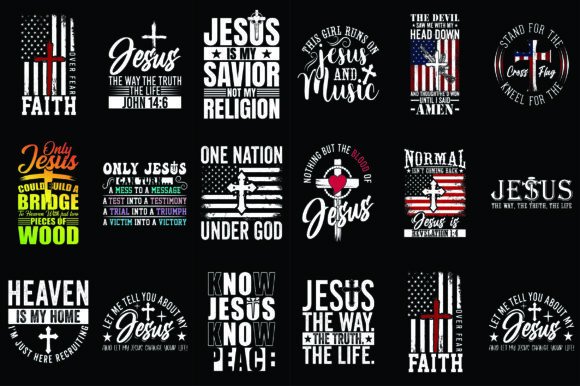
Only Jesus Could Build a Bridge to Heaven Design Review
When evaluating religious graphics for embroidery, the line between a powerful message and a stitching nightmare is often defined by technical execution. As a designer who regularly tests assets for real-world production, I approached "ONLY JESUS COULD BUILD a BRIDGE to HEAVE" with a critical eye. While marketed primarily as one of the best Jesus t-shirts designs for POD sites like Amazon or Etsy, my focus was strictly on its viability as a machine embroidery design. Faith-based merchandise requires a delicate balance; the text must be legible, the sentiment respectful, and the stitch quality professional enough to honor the message. This review breaks down how this graphic translates from screen to fabric for makers and shop owners.
Visual Weight and Emotional Resonance in Stitch
The first impression of this design is its typographic hierarchy. For an embroidery project, layout is everything. The phrase relies heavily on text, which means the font choice and spacing will dictate your success. Visually, the design carries a solemn yet hopeful mood. The concept of a bridge implies connection and structure, so I looked for whether the graphical elements supported that metaphor without adding unnecessary bulk. In digital format, it reads clearly, but as a stitched piece, the negative space becomes just as important as the thread. If the letters are too close, they will merge during stitching; if they are too far apart, the design loses cohesion on textured fabrics. For craft business owners, this design offers strong potential for personalized gifts because the message is universally understood within the niche, reducing the need for extensive marketing copy.
Real-World Application: Embroidering a Ministry Tote Bag
To truly test this asset, I simulated a production run for a custom embroidered tote bag intended for a church retreat. Totes present unique challenges due to their canvas texture and lack of stretch. I treated this as a commercial embroidery scenario where durability matters. The design’s linear nature worked well with the grain of the canvas, preventing puckering that often occurs with large, dense fill stitch areas. However, because the artwork is text-heavy, I had to consider stabilizer choices carefully. A cut-away stabilizer was necessary to maintain letter clarity, even on this stable fabric. For small shop products like these bags, the design served as a bold centerpiece. It transformed a generic utility item into a meaningful keepsake. If you are an Etsy seller focusing on faith-based accessories, this application demonstrates how a simple graphic can elevate product value when executed with proper tension and hooping techniques.
Navigating Fabric Limitations and Hoop Constraints
While versatile, "ONLY JESUS COULD BUILD a BRIDGE to HEAVE" demands respect for fabric physics. During my assessment, I identified specific scenarios where caution is required:
- Stretchy Knits and Baby Clothes: If adapting this for baby embroidery or lightweight sweatshirts, the stitch density must be verified. Heavy satin stitch columns on thin jersey knit will cause tunneling. You may need to convert solid fills to running stitch or light tatami fills to preserve garment drape.
- Curved Surfaces: Applying this to caps or curved hat fronts is risky unless the design has been specifically digitized for cylindrical hoops. Flat text wraps poorly around a brim, leading to distortion at the edges.
- Dark Fabrics: On black or navy apparel, ensure the digitizing includes adequate underlay. Without it, the fabric texture will show through lighter thread colors, making the "Bridge to Heaven" text look muddy rather than crisp.
- Small Hoop Sizes: Reducing this design below 4 inches requires checking minimum letter height. Serif fonts or intricate script often lose definition when scaled down for patches or sleeve cuffs.
Technical Integrity and Commercial Viability
For creative entrepreneurs selling finished goods, licensing and technical specs are non-negotiable. The product description highlights that this is 100% copyright free, which is a significant advantage for those building a brand on Shopify or Redbubble. However, always verify the specific terms regarding digital resale versus physical product sales before listing. From a production standpoint, the transition from a graphic to an embroidery file involves more than auto-digitizing. Professional results require manual cleanup. Check that jump stitches are minimized and trimmed efficiently to reduce post-production labor. For printable mockups used in your online store, ensure the digital preview matches what your machine actually produces. Customer trust erodes quickly when the received handmade product looks significantly different from the polished digital image. Consistency between your design assets and final output is what separates hobbyists from established boutiques.
Essential Pre-Production Checklist for Makers
Before committing this design to a sellable inventory, run through this practical validation process to protect your materials and reputation:
- Stitch Out on Scrap: Never assume a digital embroidery file is perfect. Test on the exact fabric weight you intend to sell. Canvas behaves differently than cotton pique.
- Contrast Verification: View the design in grayscale. If the text blends into the background in black and white, it will lack definition in color. Adjust thread colors for maximum readability.
- Stabilizer Match: Confirm your stabilizer weight supports the stitch count. Over-stabilizing makes the patch stiff; under-stabilizing causes registration errors in multi-color designs.
- Wash Testing: If selling tea towels or aprons, wash and dry the sample three times. Religious items are often kept for years; the stitching must withstand repeated laundering without fraying.
- Mockup Accuracy: Create realistic previews showing the texture of the stitches. Buyers appreciate seeing how the satin stitch sheen interacts with the fabric weave.
Elevating Faith-Based Merchandise Through Quality
"ONLY JESUS COULD BUILD a BRIDGE to HEAVE" holds genuine promise for the maker community, provided it is treated as a technical blueprint rather than just a picture. Its strength lies in its clear messaging and adaptability across various mediums, from holiday embroidery projects to everyday custom apparel. Success with this design depends entirely on your willingness to validate its performance on your specific equipment and chosen substrates. By prioritizing stitch clarity, appropriate fabric pairing, and rigorous testing, you transform a digital download into a tangible expression of faith that customers will cherish. Whether you are creating a personalized gift for a loved one or stocking your Etsy shop for the upcoming season, let quality craftsmanship be the bridge that connects your art to your audience. Always remember that in embroidery, the most beautiful design is one that survives the reality of the needle.