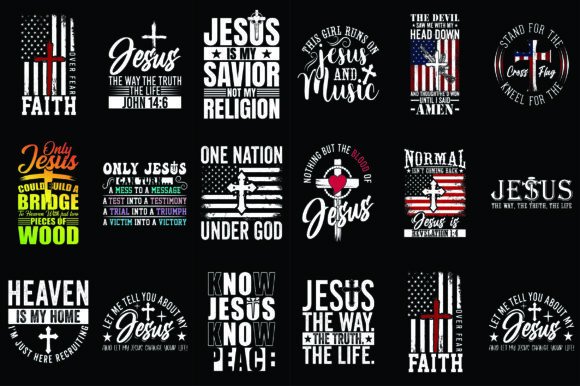
Jesus is the Son Religious Christmas Design Review
As a professional embroidery digitizer and product reviewer, I approach every new machine embroidery design with a critical eye toward production viability. When evaluating the "Jesus is the Son Religious Christmas" graphic for real-world application, my primary focus shifts from simple aesthetics to stitch performance and marketability. This design carries a profound message central to the holiday season, but translating that spiritual weight into thread requires careful consideration of fabric interaction, density, and end-use. For fellow designers, Etsy sellers, and apparel decorators, understanding how this specific artwork behaves under the needle is just as important as its visual appeal.
First Impressions and Visual Hierarchy
Upon opening the digital embroidery file, the immediate strength of "Jesus is the Son Religious Christmas" lies in its clear focal point. Unlike generic holiday graphics that rely solely on decorative flourishes, this illustration anchors itself in the theological heart of the season. The layout suggests a balanced composition where the text supports rather than competes with the central imagery. From a digitizing perspective, this separation of elements is crucial. It allows us to assign appropriate stitch types—likely a combination of satin stitch for lettering and fill stitch or detailed running stitches for the illustrative elements—without creating excessive bulk in one area.
The mood is reverent yet celebratory, making it distinct from commercial novelty prints. For a craft business or boutique owner, this tone signals a specific target demographic: customers seeking meaningful, faith-based holiday embroidery rather than fast fashion. The design’s personality feels timeless, which increases the perceived value of any finished product. However, because religious iconography demands respect and precision, there is zero margin for error in registration or tension. A misaligned halo or distorted facial feature can ruin the integrity of the piece, making pre-production testing non-negotiable.
Real-World Application: The Sweatshirt Test
To truly evaluate this asset, I mentally placed it in a high-demand scenario: creating a premium unisex sweatshirt for a small shop merchandise drop. Sweatshirts are a staple for Etsy seller inventories during Q4, but their fleece backing and knit structure present challenges. In this context, "Jesus is the Son Religious Christmas" serves as an excellent center-chest placement. The design’s likely aspect ratio fits well within standard 5x7 or 6x10 hoop sizes without requiring excessive resizing that could distort stitch angles.
When stitching this onto French terry or heavyweight cotton fleece, the stitch density becomes the deciding factor for comfort. If the original digitizing is too dense, the chest area will become stiff and bulletproof, reducing the garment's wearability. As a reviewer, I would advise checking the pull compensation settings in your software before running a production batch. For this specific religious theme, clarity is paramount; however, using a slightly lighter fill pattern or incorporating more running stitch details can maintain the visual impact while keeping the custom apparel soft against the skin. This balance directly influences customer reviews and repeat business.
Navigating Fabric Limitations and Hoop Sizes
While this design shines on stable knits, caution is required when adapting it for other substrates. If you intend to use "Jesus is the Son Religious Christmas" for baby embroidery on onesies or lightweight cotton, the standard file may be too heavy. Infant garments require minimal stitch counts to prevent fabric puckering and ensure safety. In such cases, verify if a light-stitch version exists or edit the file to remove background fills, leaving only outline and essential detail work.
Similarly, textured fabrics like linen tea towels or waffle-weave kitchen items demand robust stabilization. The intricate nature of religious illustrations means that fine lines can get lost in the weave of the fabric. Always pair this design with a high-quality cutaway stabilizer for stretchy materials or a tear-away with topping for textured surfaces. For tote bag design projects on canvas, the design generally performs exceptionally well due to the fabric's stability, allowing for higher saturation and richer thread colors without distortion. Conversely, avoid placing highly detailed versions of this graphic on curved surfaces like caps unless the file has been specifically digitized for cylindrical hoops; flat designs often gap or distort on hat fronts.
Commercial Viability and Product Value
For creative entrepreneurs selling design assets or physical goods, this graphic offers strong commercial potential due to its niche specificity. Generic "Merry Christmas" designs face saturated markets, whereas faith-specific content builds deeper connections with buyers. When listing a handmade product featuring this design, emphasize the quality of the stitch-out in your photos. Customers buying religious items are often purchasing for gifts or personal devotion; they scrutinize craftsmanship closely.
If you are selling the embroidery file itself, transparency is key. Clearly state the tested hoop size, stitch count, and recommended fabrics in your listing description. Since I cannot verify the exact specifications of your specific file version without seeing the metadata, you must confirm these details personally. Providing accurate technical data builds trust and reduces support tickets regarding formatting issues. For those selling physical personalized gift items, consider offering color customization options. While the traditional palette works beautifully, allowing customers to choose thread colors that match their home decor or church branding can significantly increase conversion rates.
Essential Designer Notes for Success
Before committing "Jesus is the Son Religious Christmas" to a final project, adhere to these practical protocols to ensure professional results:
- Test Stitch First: Never run this design directly on a sellable item without a test sew-out on similar scrap fabric. Check for registration issues between the text and the illustration.
- Evaluate Contrast: Religious designs often utilize gold, white, or deep red threads. Ensure sufficient contrast against your base fabric. White thread on cream fabric may look elegant digitally but disappear physically.
- Check Licensing: Verify whether your purchase includes commercial rights for both physical products and digital resale. Terms vary significantly between designers.
- Mockup Accuracy: When creating a printable mockup for your online store, use realistic textures. Overly smooth digital previews can lead to customer disappointment when the actual embroidered texture differs.
- Stabilizer Selection: Match your stabilizer weight to the design density. Heavy religious illustrations on light fabric require heavier support to prevent tunneling.
- Resize with Caution: If scaling down for baby items or patches, reduce by no more than 20% unless you re-digitize. Shrinking satin stitches turns them into lumpy columns; enlarging them creates gaps.
Final Thoughts on Production Readiness
"Jesus is the Son Religious Christmas" represents a valuable addition to any serious embroiderer’s library, provided it is treated with the technical respect its subject matter deserves. Its success in your shop depends less on the graphic itself and more on your execution. Whether you are producing commercial embroidery runs for a church group or crafting individual holiday gifts for loved ones, the intersection of faith and fiber art requires patience and precision. By validating stitch density, selecting appropriate substrates, and honoring the design’s intended mood, you transform a digital file into a tangible expression of the season that resonates deeply with your audience. Always prioritize the integrity of the stitch-out over speed, and let the quality of your work reflect the reverence of the message.