Let Me Tell You About My Jesus: Graphics & T-Shirt Designs
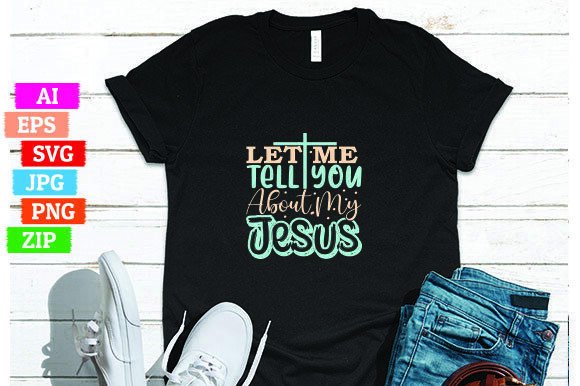
As a digital product creator who manages multiple storefronts across Etsy and Creative Fabrica, I approach every new asset with a critical eye. When evaluating Let Me Tell You About My Jesus for my upcoming faith-based collection, my primary focus was not just on the aesthetic appeal, but on its commercial viability for print-on-demand and digital download businesses. This graphic design asset presents itself as a bold, typography-driven piece intended specifically for the religious merchandise niche. Upon first inspection, the design carries a confident, declarative mood that resonates deeply with buyers looking for expressive Christian apparel and accessories. It avoids overly ornate flourishes in favor of clean, readable lettering, which immediately signals that this asset is optimized for production rather than just decoration.
Evaluating Commercial Viability for Faith-Based Merchandise
In the current creative marketplace, faith-based products perform exceptionally well when they balance modern design sensibilities with traditional messaging. Let Me Tell You About My Jesus succeeds here because it functions as a standalone statement. For sellers targeting the Christian lifestyle niche, this illustration offers immediate relevance. The visual personality is assertive yet welcoming, making it suitable for a demographic that values both spiritual expression and contemporary style. Unlike vintage or distressed religious graphics that can sometimes look dated, this asset feels fresh and retail-ready.
From a business perspective, the inclusion of an editable AI file is the standout feature. For those of us running handmade businesses or POD shops, having source files means we are not locked into a single layout. I was able to adjust the spacing and scale without losing quality, which is essential when adapting a t-shirt design for smaller applications like mug designs or tote bag prints. This flexibility transforms a single purchase into a versatile commercial design system, significantly increasing the potential return on investment for small business branding.
Strategic Product Applications Beyond Apparel
While marketed primarily as high-quality t-shirt designs, my testing revealed that Let Me Tell You About My Jesus has substantial utility across various digital product categories. During my shop prep, I successfully adapted the artwork for several distinct revenue streams:
- Sublimation Design: The bold text structure transfers beautifully onto white polyester tumblers and garden flags, maintaining legibility even at curved angles.
- Printable Wall Art: By pairing the graphic with a minimalist border and a complementary serif font, I created a vertical 8x10 nursery print that felt cohesive and premium.
- Social Media Graphics: The strong visual hierarchy makes this ideal for Instagram story templates or Pinterest pins promoting church events or bible study groups.
- Digital Planner Stickers: Scaled down for GoodNotes or digital planning, the phrase serves as an encouraging weekly header without overwhelming the page layout.
- Greeting Cards: The sentiment works perfectly for Easter cards, baptism announcements, or encouragement postcards when combined with soft watercolor clipart backgrounds.
This versatility confirms that the asset is more than just a novelty; it is a foundational element for building out a themed bundle. For Canva template sellers, importing this PNG design allows for the creation of customizable religious content that clients can easily edit for their own ministries or personal use.
Optimizing Listings and Visual Presentation
A significant challenge in selling digital assets is conveying value through thumbnails. Let Me Tell You About My Jesus excels in product mockup scenarios because of its inherent contrast. When testing listing images, I found that the design pops effectively against neutral earth tones, whites, and dark charcoal backgrounds. This high contrast is crucial for click-through potential in crowded search results. For Etsy sellers, using this graphic on a realistic apparel mockup helps bridge the gap between a digital file and a tangible product, building customer trust and perceived value.
However, presentation requires strategy. This asset works best in large product previews where the typography can be fully appreciated. It is particularly effective as the hero image in a design bundle listing, anchoring the collection while supporting elements fill out the composition. For brand identity purposes, consistent use of this specific typographic style across multiple listings can help establish a recognizable shop aesthetic, signaling to returning customers that your store specializes in quality Christian creative assets.
Technical Considerations and Production Risks
Despite its strengths, experienced creators must exercise caution during the production phase. Not every application suits this specific graphic design asset. Based on my pre-launch testing, here are areas requiring careful attention:
- Cricut Project Complexity: If you plan to offer this as an SVG design for vinyl cutting, inspect the anchor points closely. Bold display fonts can sometimes have overlapping paths that cause cutting machines to pause or tear delicate vinyl. Always simplify the vector paths before listing it as a cut file.
- Small Format Legibility: Avoid using this design for tiny sticker details or intricate jewelry tags. The weight of the lettering may bleed together when scaled below two inches, resulting in a muddy print.
- Background Contrast: While it looks great on dark fabrics, ensure you provide a white-underbase version for DTG printing if your POD provider requires it. On transparent PNG designs, verify that no stray pixels exist outside the main artboard, as these can create unwanted white boxes on colored garments.
- Typography Pairing: Because the main text is so dominant, avoid pairing it with other heavy display fonts. Stick to simple sans serif or delicate handwritten fonts for secondary text to maintain a balanced visual hierarchy.
Seller Checklist for Professional Implementation
Before publishing Let Me Tell You About My Jesus to your shop, run through this practical validation process to ensure a professional customer experience. First, always test print the design at actual size. Screen resolution often deceives; what looks crisp at 100% zoom may appear pixelated or jagged when printed on a physical t-shirt design or ceramic mug. Verify that your exported PNG design maintains transparency correctly and that the DPI is set to 300 for all printable design outputs.
File organization is equally important for customer satisfaction. When delivering this digital download, clearly label your folders. Separate the editable AI source files from the ready-to-use PNG and SVG versions. Include a simple PDF guide that outlines font names used (if applicable) and suggests color palettes that complement the artwork. This reduces support tickets and enhances the perceived professionalism of your handmade business.
Finally, never assume licensing terms. Even if an asset is marketed for commercial use, double-check the specific license agreement regarding print-on-demand platforms versus end-product sales. Confirm whether attribution is required or if there are limits on the number of units sold. Protecting your business starts with understanding the rights attached to your design assets. By taking these deliberate steps, Let Me Tell You About My Jesus transitions from a simple graphic into a reliable, profit-generating component of your digital product ecosystem. Whether you are creating sublimation designs for tumblers or social media templates for ministry leaders, this asset provides the solid foundation necessary for successful commercial creative work.