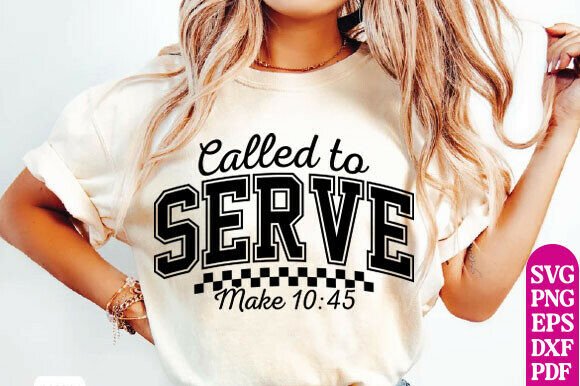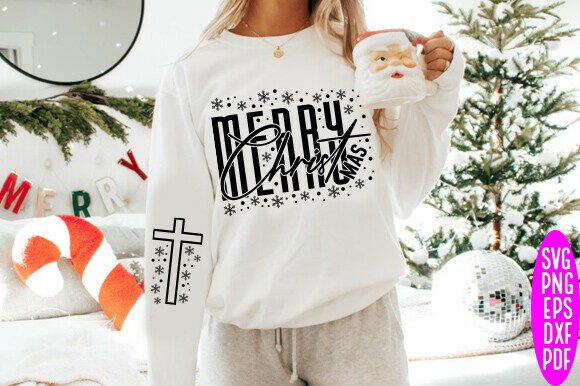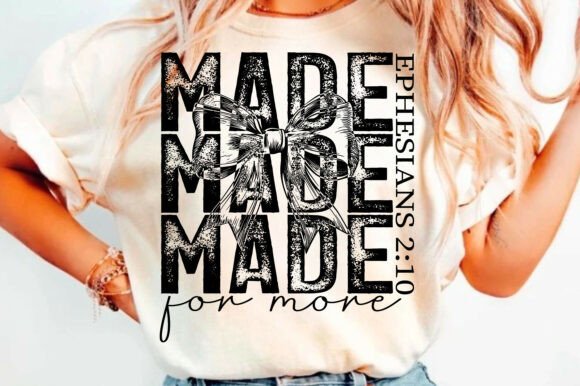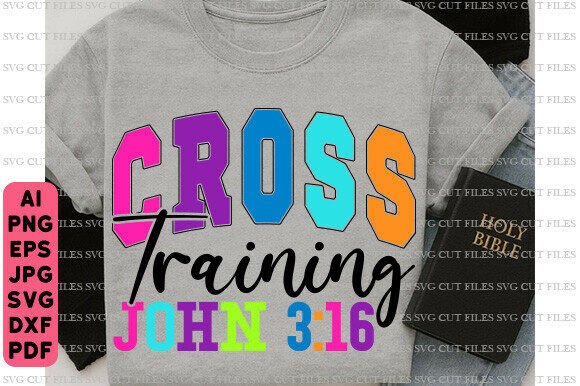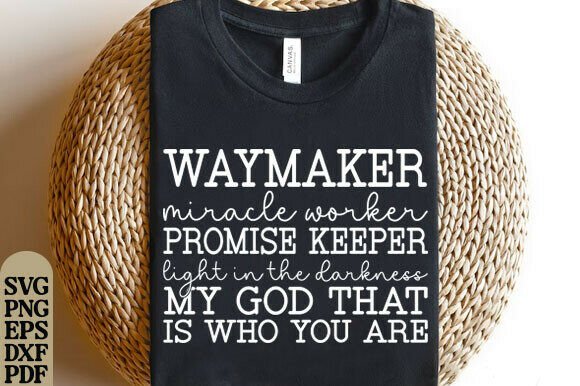
God is Good All the Time SVG: T-Shirt Graphics Review
Evaluating Visual Tone for Faith-Based Client Projects
When reviewing a new graphic design asset for a client project, my first assessment always focuses on emotional resonance and technical versatility. Recently, while developing a seasonal merchandise line for a boutique faith-based brand, I evaluated the God is Good All the Time SVG, Jesus SVG. The immediate impression was one of warmth and accessibility. Unlike rigid, traditional religious typography that can sometimes feel dated or overly formal, this asset carries a modern, approachable aesthetic. It strikes a balance between reverence and contemporary style, making it particularly suitable for clients targeting a younger demographic or those seeking to refresh their brand identity without losing spiritual authenticity.
For designers working with ministries, worship teams, or Christian lifestyle brands, the mood of an asset dictates its utility. This specific SVG design feels organic rather than manufactured. In the context of our client’s rebrand, which aimed to bridge generational gaps within their congregation, the lettering style offered a welcoming entry point. It avoids the starkness of standard serif fonts while maintaining enough structure to remain legible at various sizes. This initial visual audit confirmed that the asset could serve as a cornerstone for both digital and physical touchpoints, setting a tone of consistent encouragement across the campaign.
Performance Across Merchandise and Digital Touchpoints
A critical factor in selecting any digital product is cross-platform performance. For this project, we needed a single asset that could transition seamlessly from high-resolution print materials to social media content. The God is Good All the Time SVG, Jesus SVG proved robust in testing. As a primary element for t-shirt designs, the vector paths are clean and optimized for cutting machines. We tested the file in Cricut Design Space and Silhouette Studio, noting that the nodes were well-organized, preventing jagged edges during the weeding process. This technical reliability is essential for small business owners and crafters who cannot afford wasted vinyl or misaligned cuts.
Beyond apparel, the asset performed exceptionally well in marketing visuals. When scaled down for Instagram stories or Pinterest pins, the design retained its integrity. Many script-heavy graphics fail at smaller sizes due to thin connecting lines, but this illustration maintained sufficient stroke weight to remain readable on mobile screens. We also utilized it as a secondary element in packaging design for candle labels and tote bags. Here, the graphic acted as a supportive texture rather than the dominant focal point, demonstrating its flexibility. For print-on-demand sellers, this adaptability means one purchase can yield multiple SKU variations, from mugs to wall art, maximizing the ROI of the creative asset.
Optimal Placement Strategies for Maximum Impact
Understanding where a design thrives is just as important as knowing its limitations. Through practical application, I identified several environments where this asset elevates the overall composition:
- Hero Graphics: Use as the central focal point on website banners or event flyers where ample negative space allows the message to breathe.
- Apparel Chest Placements: Ideal for left-chest logos on sweatshirts or full-back prints on tees, leveraging its balanced aspect ratio.
- Social Media Overlays: Works beautifully over textured backgrounds or soft photography in Canva templates, adding a layer of typographic interest without obscuring the underlying image.
- Sticker Design: The self-contained shape makes it perfect for die-cut stickers, serving as effective giveaway items for church events or Etsy shops.
- Editorial Accents: Effective as a pull-quote graphic in newsletters or blog posts to break up text-heavy layouts.
Navigating Constraints and Visual Hierarchy
No design bundle is universally applicable, and professional judgment requires recognizing where an asset might struggle. While the God is Good All the Time SVG, Jesus SVG is versatile, it demands careful handling in complex layouts. I advise against using this specific graphic in highly dense compositions where it competes with other ornate elements. Its strength lies in its clarity; cluttering it with excessive flourishes or competing script fonts diminishes its impact. Furthermore, for corporate-level branding or minimalist luxury aesthetics, this style may feel too casual. It is inherently expressive and handmade in appearance, which aligns perfectly with community-focused projects but may clash with sterile, high-end corporate identities.
Readability is another constraint to monitor. While the file is vector-based, extremely small applications—such as favicon-sized icons or tiny tag labels—may result in lost detail. In these instances, I recommend pairing this asset with a simple sans-serif supporting font to anchor the hierarchy. Additionally, when placing this graphic on busy photographic backgrounds, ensure there is adequate contrast. Without a solid backing or drop shadow, the intricate curves can disappear into the noise of the background image, compromising the message's legibility and the design's professionalism.
Technical Validation and Commercial Readiness Checklist
Before integrating any clipart or vector into a paid client deliverable, a rigorous technical validation process is non-negotiable. My review of this asset included several stress tests to ensure commercial viability. First, always test the design in black and white. Color often masks structural flaws; if the visual hierarchy holds up in monochrome, the design is fundamentally sound. Next, verify the file formats. While the description notes this is digital artwork ready for immediate download and compatible with cutting software, I explicitly checked the SVG code for stray anchor points and verified that the PNG transparency mask was clean, with no white halos that would ruin a dark t-shirt print.
Licensing is the final, most critical checkpoint. For any designer, marketer, or publisher, confirming the commercial license terms is mandatory before selling products featuring this art. Does the license cover end-products for sale? Are there limits on unit counts? Is attribution required? These details protect your business and your client. Additionally, compare this asset against your existing font library. Test pairings with bold serifs for tradition or clean sans-serifs for modernity to see what best supports your specific creative design goals. By conducting this level of due diligence, you transform a simple download into a reliable, professional-grade tool capable of driving engagement and sales for faith-based brands.
Enhancing Brand Trust Through Intentional Design
Ultimately, the value of the God is Good All the Time SVG, Jesus SVG extends beyond its vector paths. In the realm of small business branding and ministry outreach, visual consistency builds trust. When an audience sees cohesive, high-quality graphics across a website, social feed, and physical merchandise, it signals professionalism and care. This asset contributes to that ecosystem by providing a recognizable visual anchor. It communicates values instantly, reducing the cognitive load for the viewer and fostering an immediate emotional connection.
For content creators and digital sellers, this graphic represents more than just a pretty picture; it is a strategic component of a larger narrative. Whether used in a sublimation design for tumblers or as a header for a devotional PDF, its presence reinforces the core message of goodness and faith. However, the designer’s role remains paramount. It is our responsibility to wield such assets with intention, ensuring they serve the project’s goals rather than merely filling space. When applied with technical precision and strategic foresight, this SVG becomes a powerful vehicle for communication, helping brands articulate their mission with clarity, beauty, and purpose in an increasingly crowded creative marketplace.